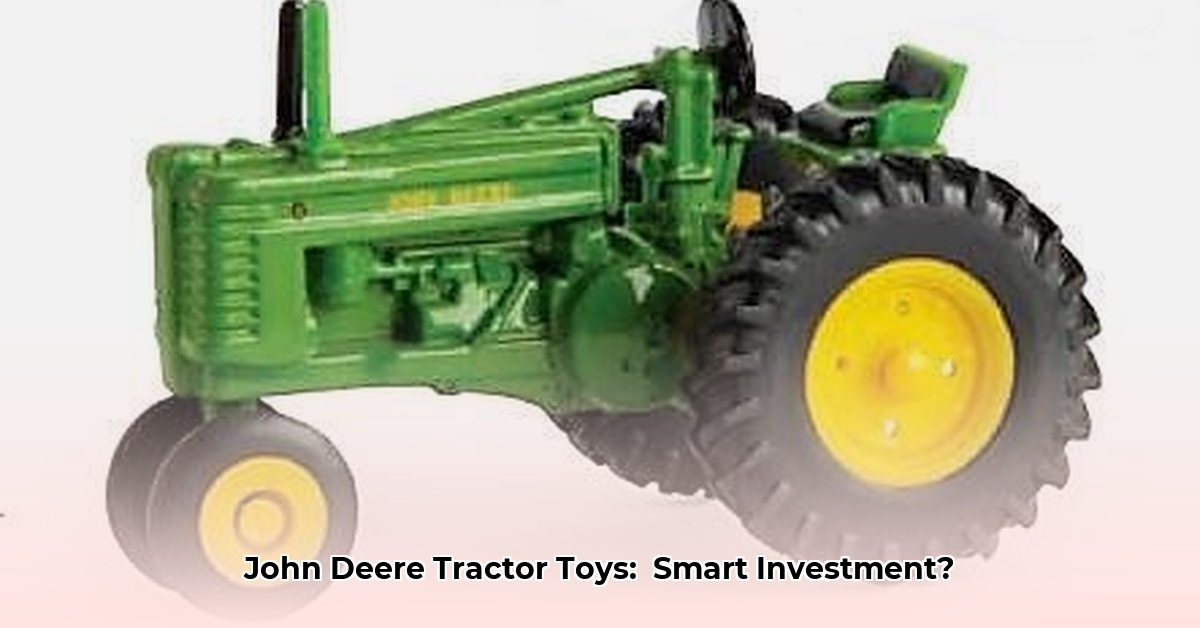
The world of collectible John Deere metal tractors offers a unique blend of nostalgia, potential investment, and the sheer joy of collecting. These aren't just childhood toys; they're miniature works of art, pieces of agricultural history, and surprisingly lucrative investments for savvy collectors. For more in-depth information, check out this helpful guide: John Deere Tractor Guide. This guide will equip you with the knowledge and strategies to navigate this exciting hobby, whether you're a seasoned enthusiast or just starting your collection.
Market Overview: A Thriving Niche
The market for collectible John Deere metal tractors is surprisingly robust and diverse. Online marketplaces and auction sites show consistent demand, attracting both casual collectors seeking a fun hobby and serious investors aiming for long-term appreciation. Prices vary significantly based on several key factors, making this a market accessible to various budgets. But how does this market actually behave? Is there a consistent upward price trend?
The market comprises original vintage tractors and more recent reproductions. Distinguishing between the two is crucial, as vintage pieces, often crafted from durable materials like cast iron, command significantly higher prices. Reproductions provide a more affordable entry point, though their value appreciation potential is typically lower. The price range reflects this diversity, making it a rewarding market to explore for both seasoned collectors and newcomers alike. Are there specific models that consistently outperform the rest?
Identifying Valuable Tractors: Spotting the Winners
Several key factors influence a John Deere tractor toy's value. Understanding these factors is crucial for building a successful and potentially profitable collection:
Vintage vs. Reproduction: Original vintage tractors generally surpass reproductions in value. Careful examination of details—paint quality, casting precision, and markings—is vital to distinguish between them. Online forums and expert opinions can be incredibly helpful in this process. Don't hesitate to seek guidance from experienced collectors.
Condition: As with any collectible, the condition directly correlates to value. Mint-condition tractors, free from damage or significant wear, command top prices. Minor imperfections can significantly impact value, with pristine examples being the most sought after.
Rarity: Limited-edition models, special releases, or unique variations are highly desirable. Rarity drives up demand and, consequently, price. The lower the production number, the higher the potential value.
Model: Certain models are more iconic or historically significant than others, making them more desirable to collectors. Researching a model's history and popularity within the collector community helps determine its potential value. Do certain model years or specific tractor types consistently hold their value better than others?
Buying and Selling: Smart Strategies for Success
Navigating the market successfully requires a strategic approach. Here's a breakdown of actionable steps:
Thorough Research: Before purchasing, research the model's value through online marketplaces and collector resources. Compare prices across multiple platforms to establish a fair market value.
Seller Vetting: Investigate the seller's reputation thoroughly. Look for positive feedback and a track record of selling similar items. Request additional photos and detailed descriptions to verify the condition and authenticity.
Price Negotiation: Don't hesitate to negotiate, especially if you've found a desirable tractor. Back your offer with your research and be prepared to walk away if the seller isn't willing to compromise.
Scam Avoidance: Be wary of deals that seem too good to be true. If a listing or seller raises red flags, err on the side of caution and avoid it.
Caring for Your Collection: Preserving Your Investment
Proper care is essential to maintain the value and condition of your collection. Follow these steps:
Gentle Cleaning: Dust your tractors regularly with a soft cloth or brush. Avoid harsh chemicals or abrasive cleaners.
Safe Storage: Store your tractors in a cool, dry environment away from direct sunlight, heat, and moisture. Protective cases or display cases provide extra protection.
Careful Handling: Handle your tractors with care to prevent accidental damage.
Community and Resources: Connecting With Fellow Enthusiasts
Connecting with other collectors enhances the hobby:
Online Forums: Participate in online forums and social media groups dedicated to toy collecting. These communities are a great source of information, advice, and networking opportunities.
Collector Events: Attend toy shows and collector events to meet fellow enthusiasts, see rare models, and potentially discover unique additions for your collection.
Market Trends: Looking Ahead
The market for vintage John Deere metal tractor toys shows strong potential. Nostalgia is a powerful driver, and interest in vintage toys is generally on the rise. Certain models demonstrate significant price appreciation over time, suggesting a promising investment opportunity. However, consistent research and market monitoring are necessary to stay ahead of the curve. The potential for appreciation is significant, provided a strategic approach is taken.
Three Pivotal Points:
- Vintage, well-maintained tractors offer significant investment potential.
- Identifying authentic pieces from reproductions is critical for value determination.
- Building a strong network within the collector community provides invaluable insights and opportunities.
How to Identify Valuable Vintage John Deere Toy Tractors: A Deeper Dive
This section provides a more in-depth look at identifying valuable vintage John Deere toy tractors, focusing on key characteristics and avoiding common pitfalls. We will explore the nuances of identifying authentic pieces versus reproductions, examining material composition, paint quality, identifying markings, and assessing overall condition. Remember, building a strong collection requires patience, knowledge, and a keen eye for detail. What are some of the most common mistakes novice collectors make when assessing value?